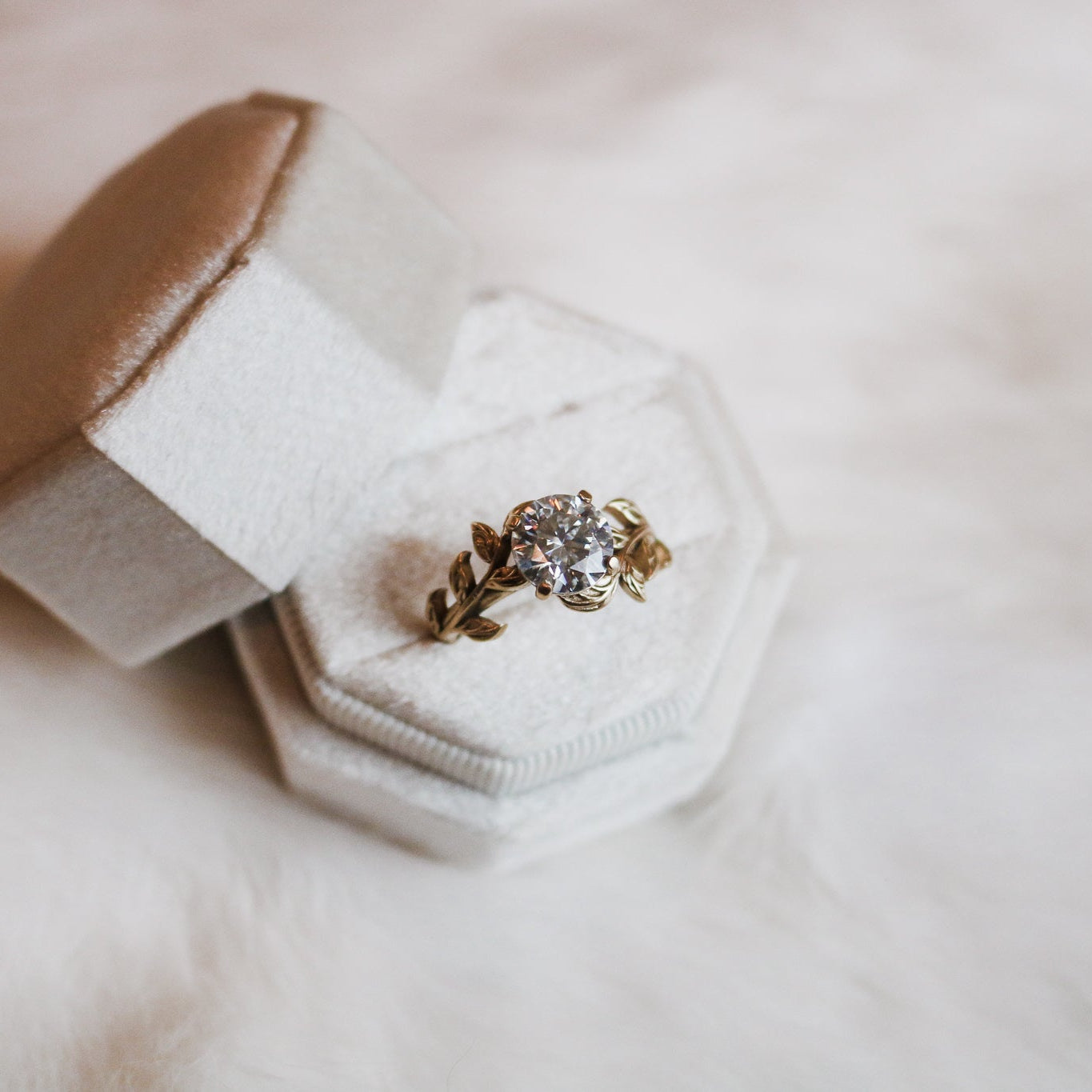
How to Choose the Right Metal for Your Ring
Choosing the metal for your ring is about more than deciding between yellow, white, or rose gold.
The metal you choose affects the overall look of the design, how the ring wears over time, the maintenance it may require, and, of course, the budget.
It also has a remarkable ability to change the personality of a ring.
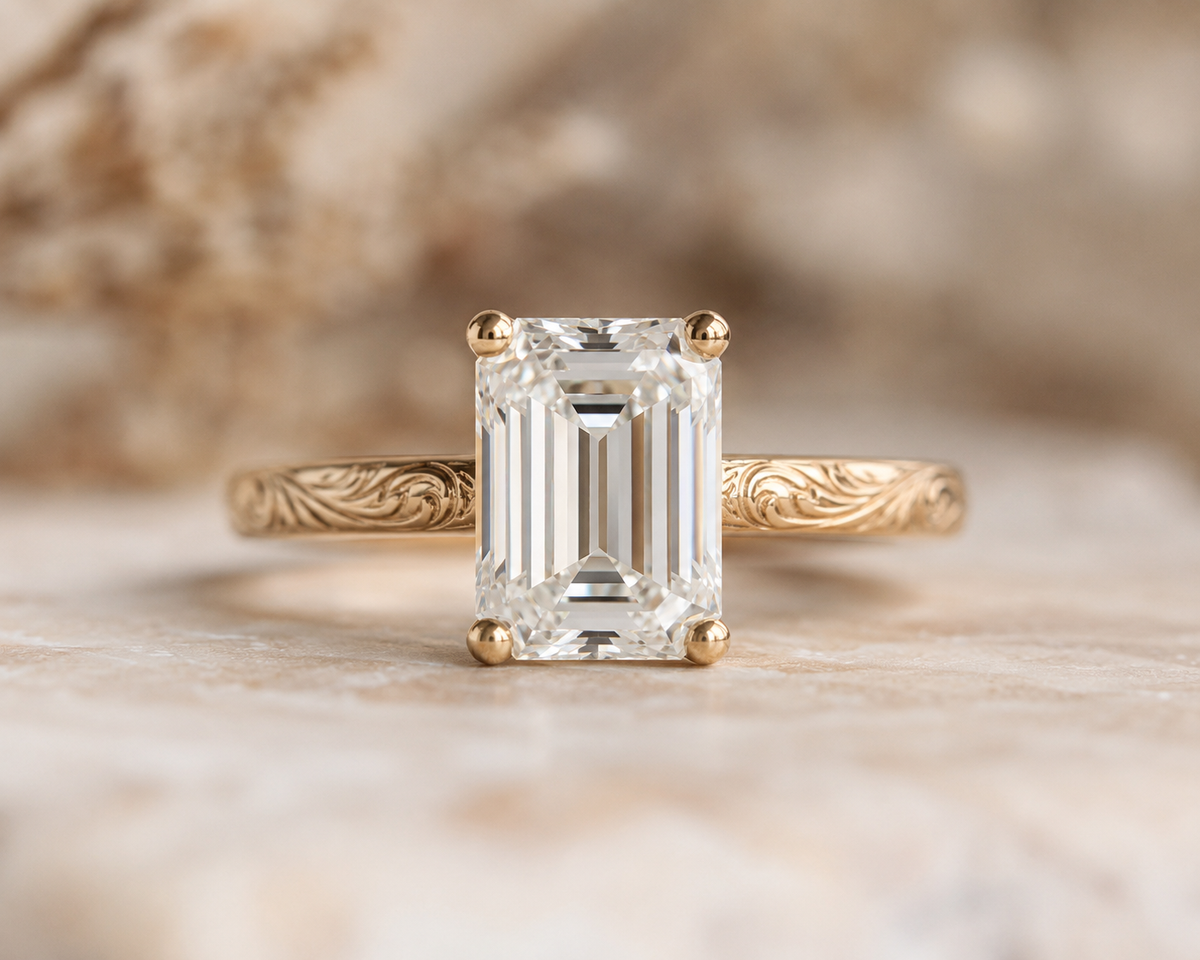
The same diamond can feel warm and romantic in yellow gold, crisp and modern in white gold, softly feminine in rose gold, or quietly substantial in platinum.
There is no universally best choice.
The right metal is the one that works with your style, your lifestyle, and the ring you want to wear for years to come.
This guide will walk through the most common choices for engagement and fine jewelry so you can understand the differences—and choose with confidence.
The Most Popular Metals for Engagement Rings
The metals we work with most often are:
-
Yellow gold
-
White gold
-
Rose gold
-
Platinum
-
Sterling silver
Each has its own appearance, strengths, maintenance requirements, and place in fine jewelry.
For engagement and wedding rings intended for a lifetime of everyday wear, solid gold and platinum are generally the traditional choices. Sterling silver can also create a beautiful and meaningful piece, particularly when budget or design calls for it, but it requires a different set of expectations for long-term wear.
Yellow Gold
Yellow gold has been used in jewelry for centuries, and for good reason.
It is warm, timeless, and remarkably versatile.
Yellow gold can make a traditional solitaire feel rich and classic, but it can also look unexpectedly modern when paired with a clean, minimal design. It works beautifully with antique-inspired details, western influences, organic textures, and contemporary settings alike.
What to Know About Yellow Gold
Pure gold is naturally very soft, which is why jewelry is made using gold alloys.
When you see 10k, 14k, or 18k gold, the number refers to how much pure gold is present in the alloy.
-
10k gold contains approximately 41.7% pure gold.
-
14k gold contains approximately 58.3% pure gold.
-
18k gold contains 75% pure gold.
The remaining metals are added to create strength, durability, and color.
For everyday jewelry, 14k gold is often an excellent balance between durability and gold content. It has the warmth people expect from gold while being durable enough for regular wear.
18k gold has a richer, deeper color but is softer because it contains more pure gold.
Who Is Yellow Gold Best For?
Yellow gold may be right for you if you:
-
Love warmth and richness
-
Prefer a timeless look
-
Are drawn to vintage, western, or heirloom-inspired design
-
Want a metal that does not require rhodium plating to maintain its color
-
Like the contrast of warm gold against a bright white diamond
Yellow gold is also particularly forgiving over time. Small scratches and signs of wear tend to blend into its surface naturally, creating the soft patina that often comes with a well-loved piece of jewelry.
White Gold
White gold offers a bright, neutral appearance that pairs beautifully with diamonds and other colorless gemstones.
It has long been one of the most popular choices for engagement rings because it creates a seamless transition between the metal and a white diamond.
But despite its name, white gold is not naturally pure white.
What Makes White Gold White?
White gold is created by alloying yellow gold with naturally lighter-colored metals.
Even then, most white gold jewelry has a slightly warm or grayish undertone.
To achieve the bright white finish most people associate with white gold, rings are typically coated with rhodium, a bright white metal from the platinum family.
Over time, that rhodium plating can wear away, particularly on rings that are worn every day.
When this happens, the underlying color of the white gold may become more visible. The ring can be replated to restore its bright white finish.
Who Is White Gold Best For?
White gold may be right for you if you:
-
Love a crisp, bright appearance
-
Want the metal to blend visually with a white diamond
-
Prefer silver-toned jewelry
-
Like a clean, classic, or modern aesthetic
-
Don't mind occasional maintenance
White gold is a beautiful choice, but it is important to understand that rhodium maintenance is a normal part of owning it.
It is not a defect. It is simply part of the material.
Rose Gold
Rose gold has a warm, blush-toned color created by adding copper to the gold alloy.
The exact color can vary depending on the composition of the alloy, ranging from a subtle champagne warmth to a deeper rosy tone.
Rose gold has a softness that makes it feel romantic without necessarily being overly feminine.
It can be especially beautiful in vintage-inspired designs, nature-inspired settings, and pieces with a softer, more organic aesthetic.
What to Know About Rose Gold
Like yellow and white gold, rose gold is available in different karat levels.
The amount of copper used in the alloy influences the final color.
Rose gold generally does not require rhodium plating, so its color is inherent to the metal rather than dependent on a surface finish.
Over time, it may develop a gentle patina, but its underlying warm tone remains.
Who Is Rose Gold Best For?
Rose gold may be right for you if you:
-
Love warm, soft-toned metals
-
Want something slightly less traditional
-
Are drawn to romantic or vintage-inspired designs
-
Prefer a metal that feels distinctive without being flashy
One thing to keep in mind is that rose gold has a very specific personality.
It can be beautiful, but it is worth choosing because you genuinely love the color—not simply because it happens to be popular at the moment.
Platinum
Platinum is naturally white, dense, and exceptionally durable.
Unlike white gold, it does not require rhodium plating to achieve its naturally light color.
It is also denser than gold, which means a platinum ring will often feel noticeably heavier in the hand.
Platinum has a quiet, substantial quality that many people love.
What to Know About Platinum
One interesting characteristic of platinum is the way it wears.
Rather than gradually losing material through normal surface wear in the same way gold can, platinum tends to displace. Over time, this can create a soft, matte-like patina.
Some people love this lived-in appearance. Others prefer to have their platinum jewelry polished periodically to restore a brighter finish.
Platinum is also often more expensive than gold, both because of the material itself and because it can require different considerations during manufacturing and repair.
Who Is Platinum Best For?
Platinum may be right for you if you:
-
Want a naturally white metal
-
Prefer a substantial, weighty feel
-
Don't want to maintain rhodium plating
-
Appreciate the soft patina platinum develops over time
-
Want a premium metal with exceptional longevity
Platinum is not automatically “better” than gold.
It is simply different.
The choice often comes down to the look, feel, maintenance, and budget you prefer.
Sterling Silver
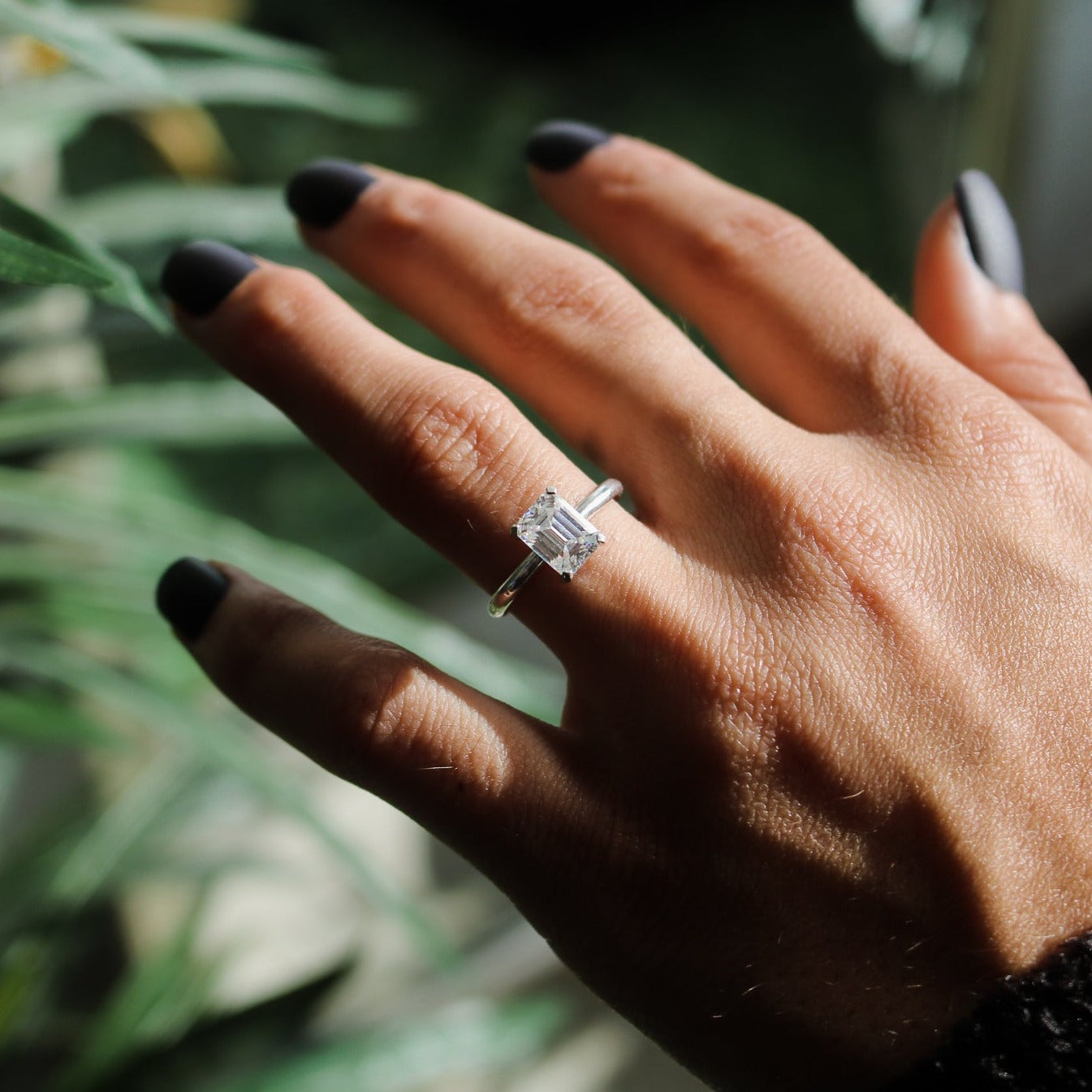
Sterling silver can be a beautiful option for fine jewelry, particularly when you want to prioritize the design or center stone while keeping the overall cost more accessible.
Sterling silver is made primarily of silver combined with other metals to improve its strength.
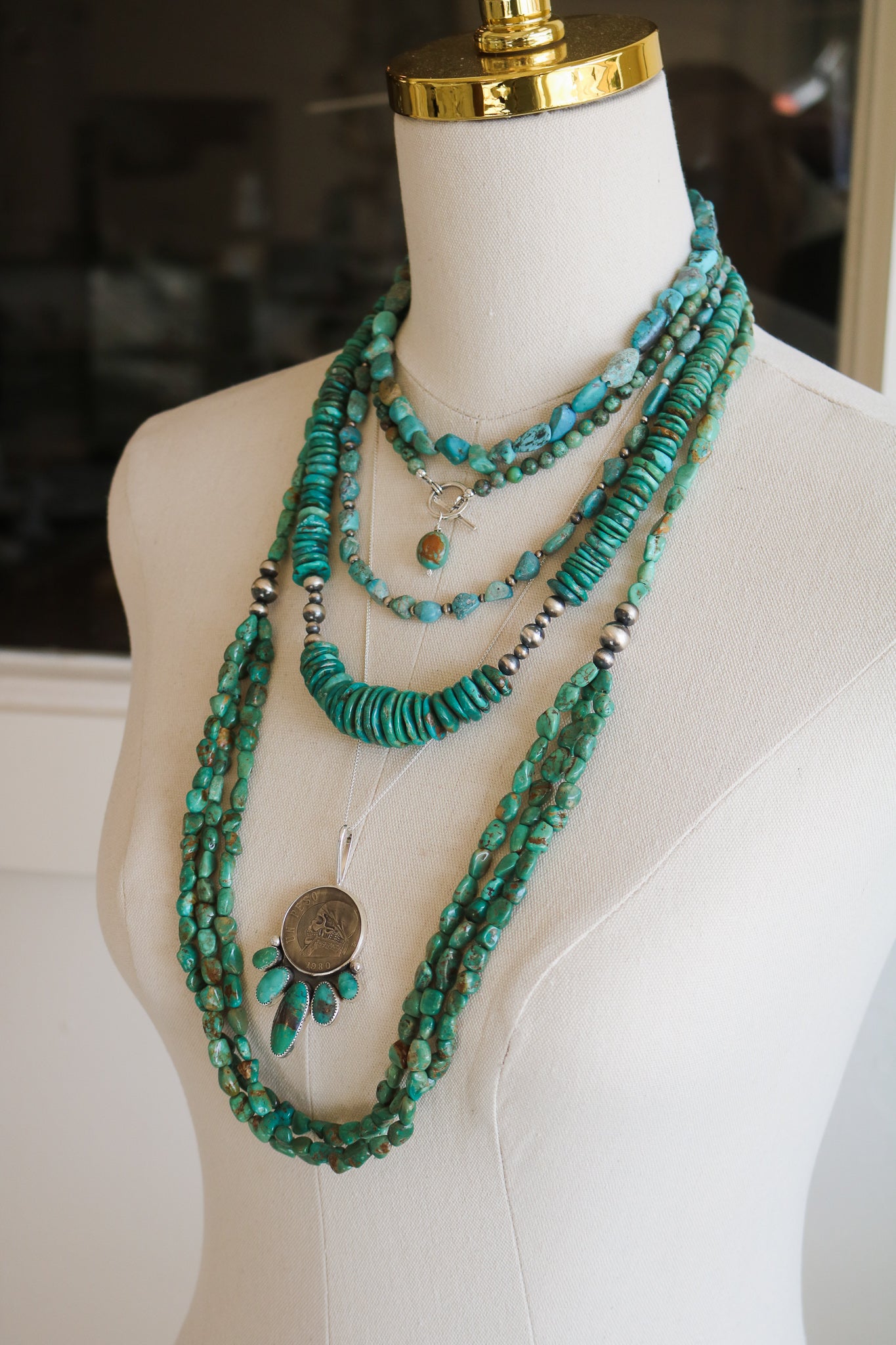
It has a bright, cool appearance that works beautifully with diamonds, moissanite, turquoise, and a wide range of gemstones.
What to Know About Sterling Silver
Silver is softer than the metals traditionally used for engagement rings and is more susceptible to scratching, bending, and surface wear.
It can also tarnish over time.
Tarnish is a normal chemical reaction and can generally be cleaned or polished away.
For pieces worn occasionally or for designs where affordability is a major consideration, sterling silver can be an excellent choice.
For a ring intended to withstand decades of constant, everyday wear, gold or platinum may be a better long-term choice.
That does not mean silver cannot be meaningful or beautifully made.
It simply means the expectations for maintenance and longevity should be different.
10k vs. 14k vs. 18k Gold
Once you have chosen a color of gold, the next question is usually which karat is right for you.
The karat number tells you how much pure gold is present in the alloy.
10k Gold
10k gold contains approximately 41.7% pure gold.
Because it contains a higher percentage of other metals, it is generally more resistant to scratching and everyday wear than higher-karat gold.
It also tends to have a slightly less rich gold color.
10k can be a practical choice for someone who prioritizes durability and a lower price point.
14k Gold
14k gold contains approximately 58.3% pure gold.
For many engagement rings and everyday pieces, it offers an ideal balance between durability, color, and value.
It has a rich appearance without being as soft as 18k gold.
At Prairie Sky, 14k gold is a natural choice for many of our pieces because it offers the longevity needed for everyday jewelry while still feeling unmistakably fine.
18k Gold
18k gold contains 75% pure gold.
It has a richer color and a higher gold content, but it is also softer.
For some designs and lifestyles, 18k is an excellent choice. For others, 14k may offer a better balance of beauty and practicality.
Higher karat does not automatically mean better.
It simply means more gold.
Which Metal Is the Most Durable?
There is no single answer because durability is about more than hardness.
A metal's ability to resist scratching, bending, wear, and long-term structural stress can vary.
For an everyday ring, thoughtful design and proper construction are just as important as the metal itself.
In general:
Platinum is exceptionally durable and dense, though it can develop surface wear and patina.
14k gold offers an excellent balance of durability and precious metal content.
10k gold is generally harder and more resistant to scratching than higher-karat gold, though it contains less pure gold.
18k gold is softer and may show signs of wear more readily.
Sterling silver is softer and more prone to scratching and deformation than gold or platinum.
The best choice depends on the design of the ring and how you plan to wear it.
Does Your Lifestyle Matter?
Yes—but perhaps not in the way people sometimes think.
You do not need to choose the strongest possible metal simply because you work with your hands.
Even the most durable ring can be damaged under the right circumstances.
If you work in healthcare, construction, fitness, agriculture, or another hands-on profession, you may need to remove your ring during certain activities regardless of the metal you choose.
No precious metal is indestructible.
A well-designed ring combined with reasonable care will ultimately matter more than trying to choose a material you believe you can never damage.
Which Metal Makes a Diamond Look the Whitest?
White metals, including white gold and platinum, tend to blend seamlessly with a white diamond.
This can create a clean, uninterrupted appearance between the stone and its setting.
Yellow and rose gold create more contrast.
Many people intentionally choose yellow gold with a white diamond because the contrast highlights both materials.
There is one additional design consideration: the color of the prongs.
A yellow gold ring can still use white gold or platinum prongs around the center diamond. This allows the band to maintain its warm gold appearance while keeping the metal immediately surrounding the diamond visually neutral.
This is especially useful for diamonds with higher color grades, where yellow prongs may reflect warmth into the stone.
Can You Mix Metals?
Absolutely.
Mixed-metal jewelry can create depth and flexibility within a design.
You might choose:
-
A yellow gold band with white gold prongs
-
A rose gold setting with platinum prongs
-
A white gold engagement ring paired with a yellow gold wedding band
-
A mixed-metal design that intentionally incorporates more than one color
Mixed metals can also make it easier to wear a ring alongside jewelry you already own.
You do not have to choose one metal color and commit to it forever.
Choosing a Metal Based on Your Style
If you are unsure where to begin, think about the jewelry you already wear.
You May Prefer Yellow Gold If...
Your jewelry collection feels warm, classic, natural, or rich.
You are drawn to antique-inspired pieces, western details, organic textures, or timeless design.
You May Prefer White Gold or Platinum If...
Your style is clean, modern, crisp, or understated.
You prefer cool-toned jewelry and love the way a diamond blends seamlessly into a white setting.
You May Prefer Rose Gold If...
You are drawn to softness, warmth, and something slightly unexpected.
You like romantic or vintage-inspired design and want a metal that feels a little more personal.
You May Prefer Sterling Silver If...
You love the look of a cool-toned metal and want to prioritize size, design, or craftsmanship while keeping your budget more accessible.
The Metal Is Part of the Design
It can be tempting to think of metal as simply the material holding the diamond in place.
But it is part of the ring's personality.
A substantial yellow gold band makes a different statement than a delicate platinum setting.
A bezel in warm gold can feel sculptural and substantial. The same bezel in white gold can feel sleek and contemporary.
The center stone may be the first thing people notice, but the metal determines much of how the entire piece feels.
That is why we recommend choosing the metal alongside the setting rather than treating it as an afterthought.
Our Advice
Start with what you naturally wear.
Look at the jewelry you reach for most often. Consider the color that feels most like you. Think about whether you want your engagement ring to blend seamlessly into your existing collection or become something entirely new.
Then consider the practical side.
How much maintenance are you comfortable with? Do you want a naturally white metal? Are you looking for the richest possible gold color, or the best balance between durability and precious metal content?
Finally, think about the ring as a whole.
The diamond shape, setting, band width, metal color, and finish should all work together.
There is no right answer for everyone.
A beautifully designed 14k yellow gold ring can be every bit as appropriate as a platinum one. A white gold solitaire may be exactly right for one person, while someone else will never stop thinking about the warmth of yellow gold.
The best metal is not the most expensive or the most durable on paper.
It is the one that feels right when the entire ring comes together.