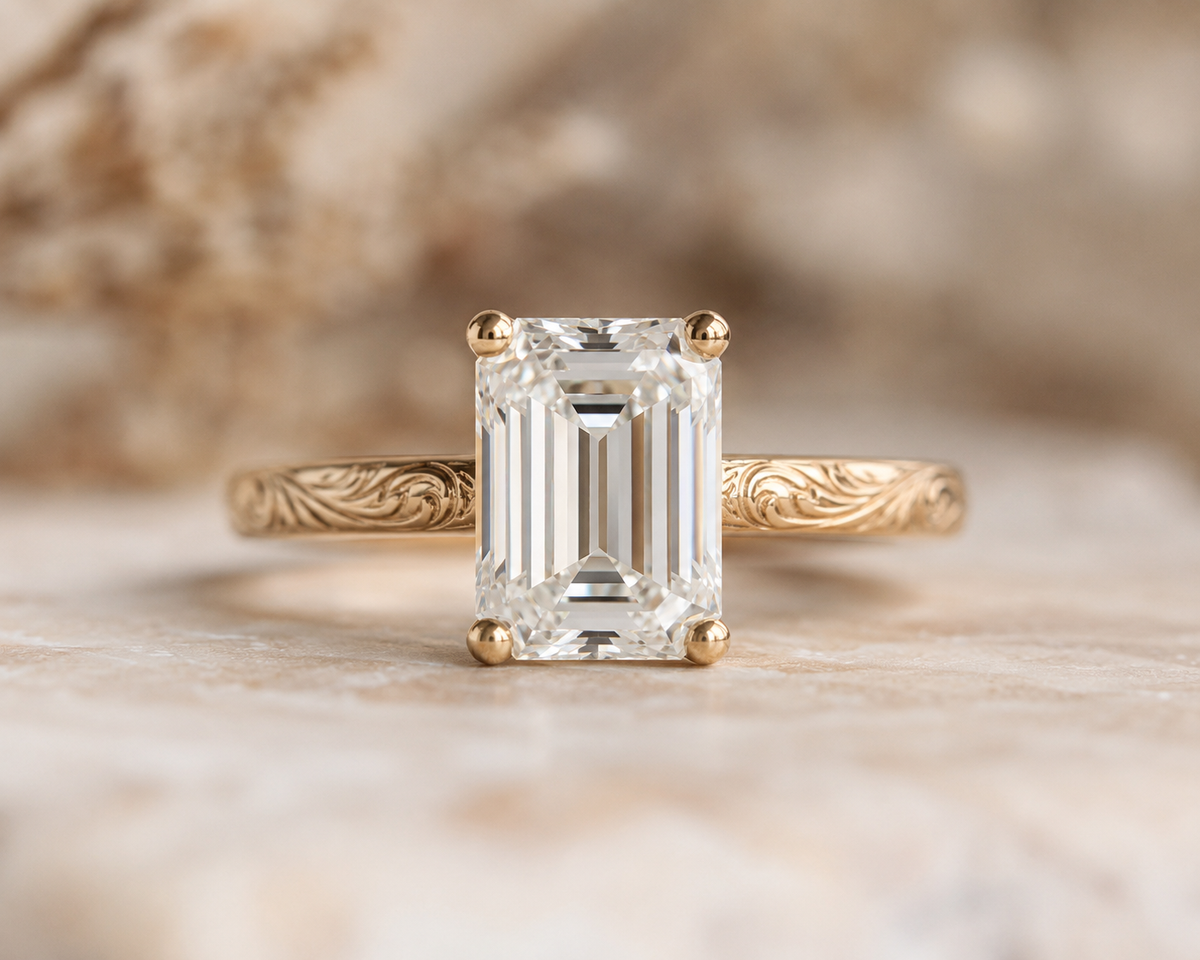
From Oval to Emerald: Understanding Diamond Shapes
Choosing a diamond shape is one of the most personal parts of designing an engagement ring.
Long before you begin comparing color grades, clarity characteristics, or carat weights, the shape of the diamond will often determine how the finished ring feels.
Classic. Romantic. Bold. Understated. Architectural. Soft.
A diamond's shape influences far more than its outline. It affects how the stone reflects light, how large it appears for its carat weight, how much coverage it has across the finger, and the overall personality of the ring.
There is no universally best diamond shape.
The right one is the one you continue to love after the trends have changed.
This guide will walk through the most popular diamond shapes, what makes each one distinctive, and what to consider when choosing the one that feels right for you.
Diamond Shape vs. Diamond Cut
These terms are often used interchangeably, but they do not mean the same thing.
Shape refers to the outline of the diamond.
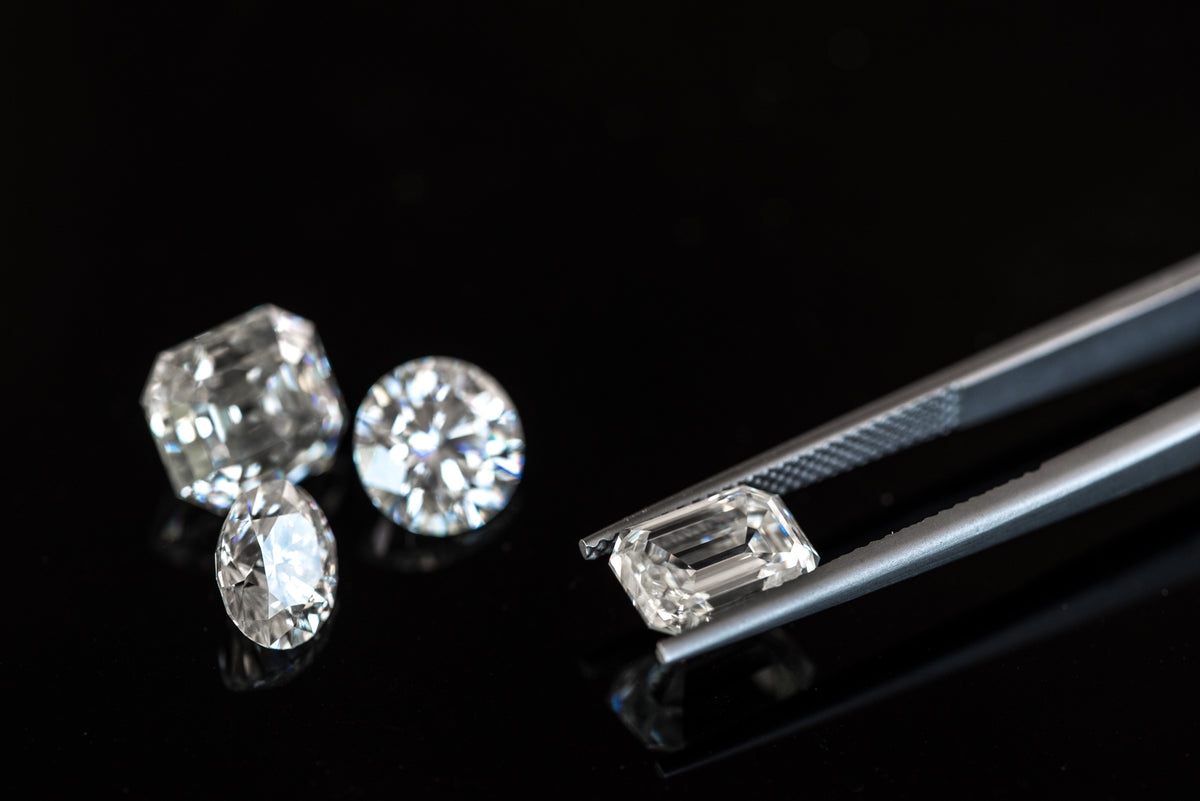
Round, oval, pear, emerald, cushion, and marquise are all diamond shapes.
Cut refers to how the diamond has been faceted and proportioned.
Cut affects the way light moves through the stone and plays a significant role in its brilliance, fire, and overall appearance.
For example, two oval diamonds may have the same shape but very different cuts. One may appear bright and lively, while another may show more darkness or uneven light performance.
So while shape is about the silhouette you see, cut is about the way that shape has been brought to life.
Round Brilliant
The round brilliant is the most classic and widely recognized diamond shape.
It is known for exceptional brilliance and a balanced pattern of white light, fire, and contrast.
Because of its symmetry and versatility, a round diamond works beautifully in almost any style of setting. It can feel traditional in a simple solitaire, romantic with delicate side stones, or entirely modern in a sculptural setting.
What to Know About Round Diamonds
Round diamonds are often chosen for their sparkle rather than their visual size.
Compared with many elongated shapes of the same carat weight, a round diamond generally has a smaller face-up footprint. More of its weight is concentrated within its circular outline.
That does not make it less impressive. A well-cut round diamond has a presence that comes from its light performance rather than its spread alone.
Best for: Someone who loves timeless design, exceptional sparkle, and a shape that will never feel out of place.
Oval
The oval diamond has become one of the most sought-after shapes for modern engagement rings.
Its elongated silhouette creates generous finger coverage and can make the diamond appear larger than a round stone of the same carat weight.
Ovals feel soft and feminine without being overly traditional. They work beautifully in everything from a simple solitaire to a three-stone ring or more intricate setting.
What to Know About Oval Diamonds
Not all ovals look the same.
Some are short and wide, creating a fuller silhouette. Others are long and slender.
This is determined in part by the diamond's length-to-width ratio, but there is no single ideal ratio. A more elongated oval may feel elegant and dramatic, while a wider oval can feel softer and more substantial.
One characteristic often discussed with ovals is the bow-tie effect—a darker area that can appear across the center of the stone. A slight bow tie can be completely normal. The goal is simply to avoid one that is so prominent that it distracts from the overall beauty of the diamond.
Best for: Someone who wants a soft, elegant shape with generous visual size.
Cushion
Cushion-cut diamonds combine a square or rectangular outline with softened corners.
They have a romantic quality that feels somewhere between classic and antique.
Depending on the way they are cut, cushions can vary dramatically. Some have a traditional appearance with broader flashes of light, while others are cut with more facets for a brighter, more brilliant look.
What to Know About Cushion Diamonds
Cushions can be square, slightly rectangular, or distinctly elongated.
Because they tend to carry more weight beneath the surface, they may appear slightly smaller than an elongated shape of the same carat weight. But what they may lack in spread, they make up for in softness and personality.
A cushion is rarely about chasing the largest possible appearance.
It is about the shape itself.
Best for: Someone drawn to romance, softness, and a slightly vintage or heirloom-inspired feeling.
Emerald
The emerald cut is known for its clean lines and architectural beauty.
Rather than the brilliant sparkle associated with round or oval diamonds, an emerald cut is a step cut. Its long, parallel facets create flashes of light that move across the stone in broad, dramatic patterns.
This gives the emerald cut a quieter kind of brilliance.
It does not sparkle constantly in the same way a round diamond does. Instead, it has depth, contrast, and a distinctive hall-of-mirrors effect.
What to Know About Emerald-Cut Diamonds
Emerald cuts are known for their clarity of appearance.
Because of their large, open facets, inclusions and color can sometimes be easier to see than they would be in a more heavily faceted brilliant-cut diamond.
Their elongated shape also creates excellent finger coverage and a naturally sophisticated silhouette.
Best for: Someone who prefers clean lines, understated luxury, and a diamond with a more architectural personality.
Radiant
A radiant cut combines an angular, rectangular outline with brilliant-style faceting.
It offers some of the clean geometry of an emerald cut but with significantly more sparkle.
Radiants can be square or rectangular, although elongated radiant cuts have become especially popular for engagement rings.
What to Know About Radiant Diamonds
An elongated radiant can provide excellent finger coverage while maintaining a bright, lively appearance.
Its trimmed corners also give it a distinctive outline that feels modern and structured.
Because radiant cuts can vary significantly in proportion and faceting, two diamonds of the same carat weight may look very different.
Some feel long and sleek. Others are shorter and more substantial.
Best for: Someone who wants an elongated shape with plenty of sparkle and a more modern edge.
Pear
The pear shape combines the rounded end of an oval with the pointed end of a marquise.
The result is one of the most distinctive and romantic diamond shapes.
Pears can be worn with the point facing toward the hand or toward the fingertip, although the latter is a particularly popular choice for engagement rings.
What to Know About Pear Diamonds
The elongated silhouette can create significant finger coverage, making a pear diamond appear larger than its carat weight might suggest.
The pointed tip should be properly protected by the setting, as it is more vulnerable than the rounded portions of the stone.
Like oval and marquise diamonds, pears can also show a bow-tie effect through the center.
A small amount may be part of the diamond's natural character, while a strong, distracting bow tie may be something you prefer to avoid.
Best for: Someone who wants a romantic, feminine shape that feels distinctive without being overly unconventional.
Marquise
The marquise is one of the most dramatic diamond shapes.
With pointed ends and an elongated center, it offers exceptional finger coverage and often appears larger than many other shapes of the same carat weight.
Its history gives it a sense of old-world romance, but the right setting can make a marquise feel entirely modern.
What to Know About Marquise Diamonds
Because both ends come to a point, thoughtful setting design is important.
The orientation of a marquise can also dramatically change its appearance. Traditionally worn vertically, it can also be set east-west for a more contemporary look.
Like other elongated brilliant shapes, marquise diamonds may show a bow-tie effect.
Best for: Someone who wants maximum visual impact and a shape with a little drama.
Princess
The princess cut is traditionally square when viewed from above and is known for its brilliant sparkle and sharp geometry.
It has a more structured appearance than a cushion while still offering plenty of light performance.
What to Know About Princess-Cut Diamonds
The pointed corners are one of the defining characteristics of the princess cut, but they can also be vulnerable to damage if not properly protected.
Princess cuts tend to have a distinctly modern feel, although they have been popular in engagement rings for decades.
Best for: Someone who loves clean geometry and brilliant sparkle.
Asscher
The Asscher cut is another step-cut diamond with a square silhouette.
Its deeply layered facets create a mesmerizing pattern of light and shadow.
Compared with the elongated emerald cut, an Asscher feels more compact and symmetrical. It has a distinctly vintage, architectural quality that makes it feel both refined and unusual.
What to Know About Asscher Diamonds
Like emerald cuts, Asschers have large facets that can make clarity and color more apparent.
They also tend to have a smaller face-up footprint than more elongated or brilliant-cut diamonds of the same carat weight.
An Asscher is a shape chosen for its personality rather than its ability to maximize visual size.
Best for: Someone who loves vintage design, symmetry, and quiet architectural beauty.
Heart
The heart-shaped diamond is one of the most recognizable and sentimental shapes.
When well cut, it should have balanced lobes and a distinct cleft at the top.
Heart diamonds are particularly dependent on symmetry. Even subtle differences can change the overall appearance of the stone.
Best for: Someone who wants a meaningful, romantic shape and isn't afraid to choose something a little less traditional.
Which Diamond Shapes Look the Largest?
Carat weight measures how much a diamond weighs—not how large it appears.
Some shapes naturally spread more of their weight across the top of the stone, creating a larger visual footprint.
Generally, elongated shapes such as marquise, pear, and oval can offer substantial face-up size for their carat weight.
Elongated emerald and radiant cuts can also provide excellent finger coverage.
More compact shapes such as round, cushion, and Asscher may appear smaller at the same weight.
However, proportions matter.
A well-cut 1.5-carat oval may appear larger than another oval of the same weight, while an unusually deep stone may carry more of its weight below the surface.
When visual size matters, compare millimeter measurements alongside carat weight.
Which Shape Sparkles the Most?
There is no single answer because different shapes create different types of light performance.
Round brilliant diamonds are known for exceptional overall brilliance.
Oval, pear, marquise, and radiant cuts also offer significant sparkle because of their brilliant-style faceting.
Emerald and Asscher cuts sparkle differently. Their step-cut facets create larger, slower flashes of light rather than the constant scintillation associated with brilliant cuts.
Cushion cuts can vary considerably depending on the specific faceting pattern.
The better question may be:
What kind of sparkle do you prefer?
Do you want constant brilliance?
Broad flashes of light?
High contrast?
A quieter, more reflective appearance?
Once you see the difference, choosing becomes much more intuitive.
Choosing a Shape for Your Hand
There are plenty of guides that suggest certain diamond shapes are best for particular hand or finger types.
Elongated shapes are often recommended for shorter fingers. Wider shapes may be suggested for narrow hands.
There is nothing wrong with using those guidelines for inspiration, but they should never be treated as rules.
A diamond does not need to be selected according to a formula.
The same oval may look entirely different depending on its size, proportions, setting, band width, and orientation.
The best way to choose a shape is to try different styles whenever possible.
You may be surprised by what you love.
Consider the Entire Ring
A diamond does not exist in isolation.
The setting can completely change how a particular shape feels.
An oval in a delicate solitaire feels entirely different from the same oval surrounded by tapered baguettes.
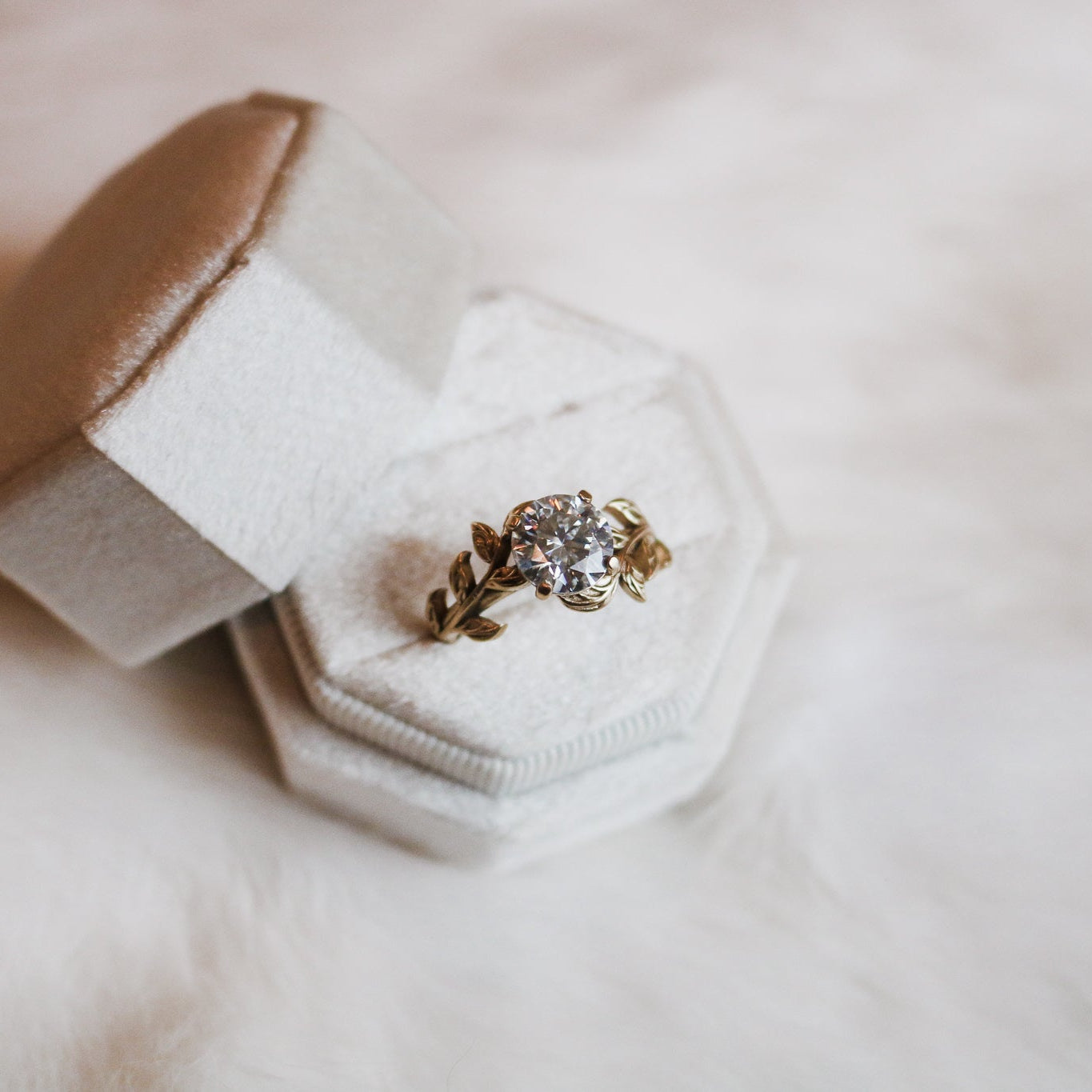
A cushion diamond can feel romantic and antique in a vintage-inspired setting or clean and modern with minimal prongs and a sleek band.
An emerald cut can become dramatically architectural with a wide gold band or feel delicate and understated in a refined solitaire.
When choosing your shape, think about the ring as a whole.
Consider:
-
The width of the band
-
The metal color
-
Whether you want side stones
-
The style of prongs or bezel
-
How high or low you want the stone to sit
-
Whether you want a classic, modern, vintage, or more unconventional design
The shape is the beginning of the design—not the entire design.
Choosing a Shape You Will Love for Years
Trends are useful for inspiration, but they change.
The shape that is everywhere today may feel less common five years from now, while another shape will inevitably have its moment.
That does not mean you should avoid a shape because it is popular.
It simply means you should ask yourself whether you love it beyond the moment.
A good question is:
If I stopped seeing this shape everywhere, would I still choose it?
If the answer is yes, you are probably onto something.
The most timeless choice is not necessarily the shape that has remained popular for the longest.
It is the shape that continues to feel like you.